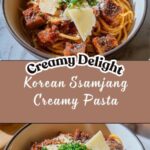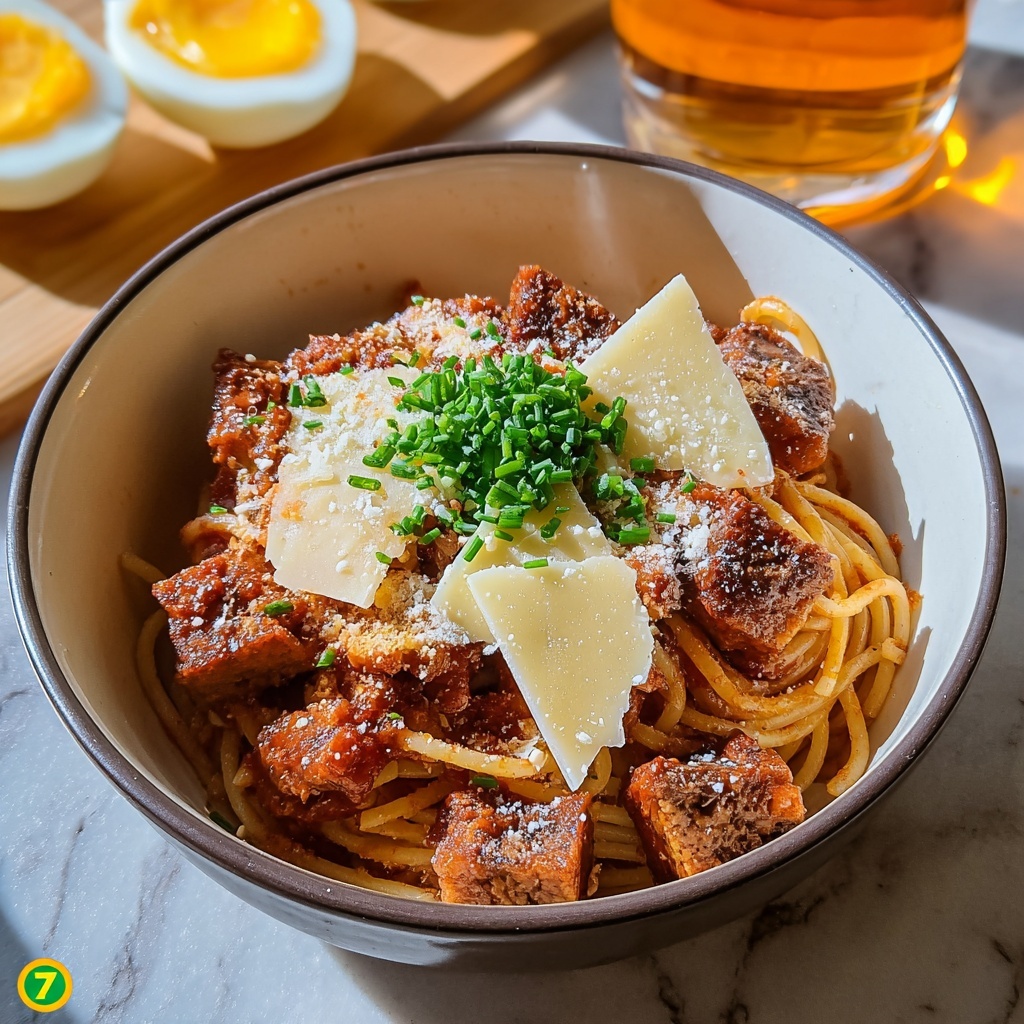
If you are craving something that beautifully blends the rich, comforting flavors of Korean cuisine with the beloved charm of Italian pasta, this Creamy Korean Ssamjang Pasta That Redefines Weeknight Meals Recipe is about to become your new go-to. It takes the spicy, umami-packed ssamjang sauce and elevates it with silky creaminess and crispy pork belly, creating a dish that is deeply satisfying and perfectly quick for any evening. Whether you’re looking to impress guests without fuss or just treat yourself to a flavorful dinner, this recipe is a game changer that delivers exciting tastes with simple, wholesome ingredients.
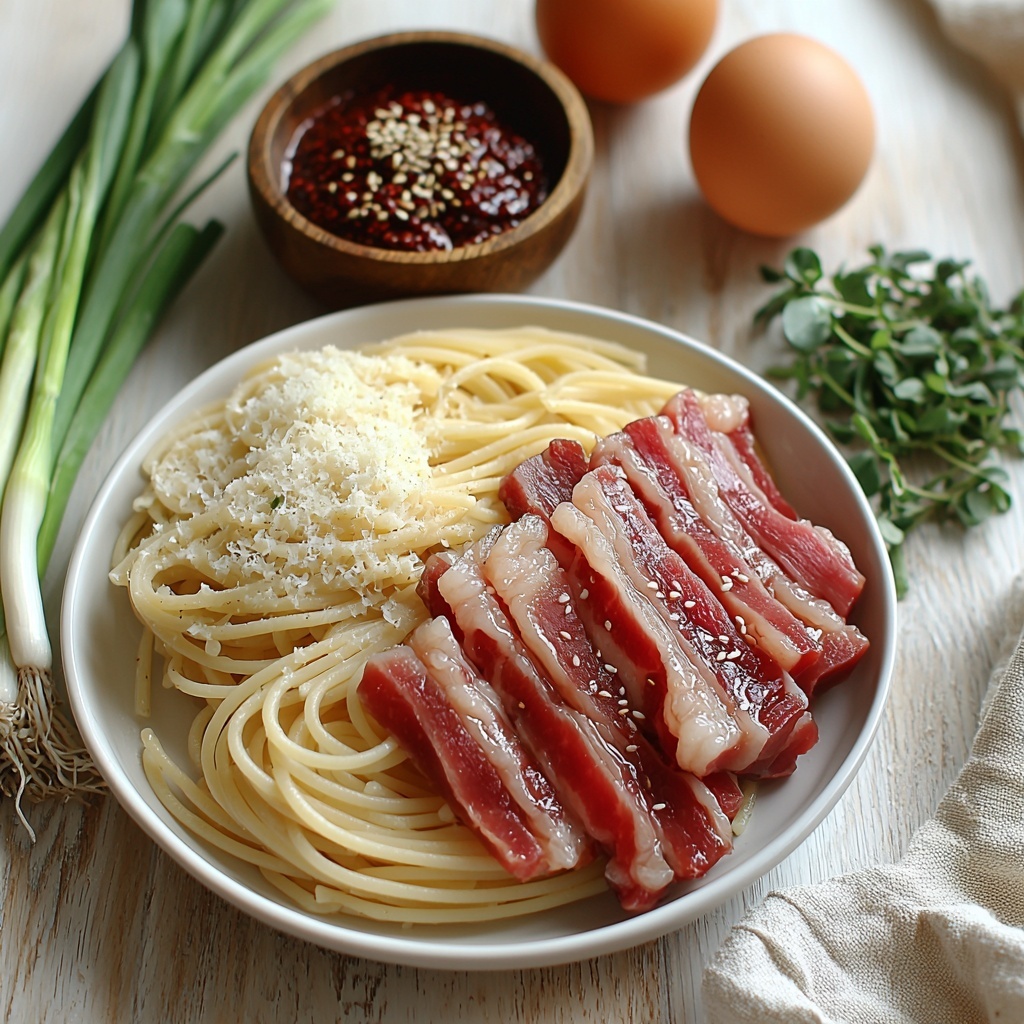
Ingredients You’ll Need
This recipe calls for just a handful of ingredients, each one playing a crucial role in layering texture, color, and bold flavor into the Creamy Korean Ssamjang Pasta That Redefines Weeknight Meals Recipe. From the tender pork belly to the sharp Parmesan and aromatic green onions, every component works harmoniously to elevate your dining experience.
- 300 g Pasta: Choose any pasta you love, cooked al dente to provide the perfect bite and texture.
- 200 g Pork Belly: Rich and fatty, it crisps up beautifully to add a savory crunch; chicken or tofu make excellent substitutions for different preferences.
- 3 tbsp Ssamjang: This is the heart of the dish, a fermented Korean chili paste combo bringing deep umami and a slight kick.
- 50 g Parmesan Cheese: Adds salty richness and a creamy finish; swap out for nutritional yeast if you prefer dairy-free.
- 2 stalks Green Onions: Thinly sliced for a fresh, slightly pungent contrast; chives or leeks are lovely alternatives.
- 1 Egg (Optional): Whisked in for an extra layer of creaminess, with flax egg providing a plant-based option.
How to Make Creamy Korean Ssamjang Pasta That Redefines Weeknight Meals Recipe
Step 1: Perfectly Cook Your Pasta
Start by boiling a large pot of salted water. Pasta cooked al dente provides the ideal chewy texture that stands up to the bold ssamjang sauce. Remember to scoop out a cup of the pasta water before draining—this starchy liquid is key to adjusting the sauce’s creaminess later on.
Step 2: Crisp the Pork Belly
While the pasta cooks, heat a skillet over medium-high heat and brown the sliced pork belly until it’s wonderfully crispy and golden, about 5 to 7 minutes. This step renders the fat and creates those irresistible crunchy edges that contrast delightfully with creamy pasta. Once cooked, remove the pork and keep it warm.
Step 3: Build the Ssamjang Sauce
Lower the heat to medium, then add your reserved pasta water into the same skillet. Stir in the ssamjang sauce, whisking until it melts smoothly into a luscious, thick sauce. This melding moment transforms the fermented chili paste into a creamy, savory base that clings beautifully to the pasta.
Step 4: Combine and Toss
Add the drained pasta and crispy pork belly back into the skillet with the sauce. Toss everything thoroughly for 2 to 3 minutes, allowing the flavors to marry and the pasta to soak up that incredible ssamjang goodness. If you want the sauce a little looser or creamier, gradually stir in more reserved pasta water until you reach your desired consistency.
Step 5: Finish and Serve
Plate your pasta and generously sprinkle with grated Parmesan cheese and sliced green onions. For those choosing to include the egg, gently fold it in during the tossing step for an extra velvety texture. Serve it immediately while it’s hot and irresistible.
How to Serve Creamy Korean Ssamjang Pasta That Redefines Weeknight Meals Recipe
Garnishes
A final touch of sliced green onions adds a peppery freshness that breaks through the richness, while a sprinkle of toasted sesame seeds or a drizzle of toasted sesame oil can complement the Korean flair amazingly well. If you want a pop of color and texture, a few thin chili slices or a small handful of fresh cilantro make excellent garnishes too.
Side Dishes
This pasta pairs beautifully with simple side dishes like a crisp cucumber salad or steamed bok choy tossed in garlic oil. If you’re serving friends or family, consider light kimchi or a refreshing pickled radish on the side to introduce that tangy contrast which Korean food is famous for. These sides keep the meal balanced without overshadowing the creamy pasta centerpiece.
Creative Ways to Present
To bring a bit of fun into your table setting, serve the pasta in shallow bowls to showcase the glossy sauce and crispy pork bits. A small ramekin of extra ssamjang or chili oil on the side invites your guests to customize their spice levels. For a casual night, wrap small spoonfuls in lettuce leaves for an interactive ssamjang pasta lettuce wrap experience that’s both playful and delicious.
Make Ahead and Storage
Storing Leftovers
If you happen to have any leftovers—and we hope you do—store them in an airtight container in the refrigerator within two hours of cooking. The pasta will stay fresh for up to 2 days, though it’s best enjoyed soon after to keep that perfect creaminess and texture intact.
Freezing
Freezing this pasta is not highly recommended because the creamy ssamjang sauce can separate upon thawing, and the texture of the crispy pork belly may become soggy. However, if you want to freeze, separate the pasta and pork, freeze them separately in airtight containers, and thaw gently overnight in the fridge before reheating.
Reheating
To reheat, place the pasta in a skillet over low to medium heat, adding a splash of water or broth to revive the sauce’s creamy consistency. Stir frequently to prevent sticking and to warm evenly. Avoid the microwave whenever possible for best texture, especially for that crispy pork belly to retain some of its initial crunch.
FAQs
Can I make this dish vegetarian or vegan?
Absolutely! Swap the pork belly for tofu or mushrooms for a vegetarian take, and use nutritional yeast instead of Parmesan to make the dish vegan-friendly. Use a flax egg or skip the egg altogether to maintain creaminess while keeping it plant-based.
What pasta types work best with this recipe?
Any pasta shape that holds sauce well works beautifully. Think of penne, fusilli, or spaghetti for classic choices. The creamy ssamjang clings best to shapes with curves or ridges, ensuring every bite bursts with flavor.
Is ssamjang spicy?
Ssamjang tends to have a gentle heat balanced with savory, slightly sweet, and fermented flavors. If you are sensitive to spice, you can adjust the amount or look for milder versions, but its unique flavor is central to this dish’s charm.
Can I prepare this recipe ahead of time?
You can prepare components like crisping the pork belly and making the sauce ahead, then simply toss everything with freshly cooked pasta when ready to serve. This method is perfect for rapid weeknight dinners without sacrificing any flavor.
What can I use instead of pork belly?
If pork belly isn’t your preference, boneless chicken thighs or firm tofu cut into strips also fry up nicely and soak up the sauce. Choose what suits your taste and dietary needs without losing the essence of this rich, creamy dish.
Final Thoughts
Trying out the Creamy Korean Ssamjang Pasta That Redefines Weeknight Meals Recipe is like inviting a little culinary adventure into your routine, but without any fuss or overwhelm. It’s bold, comforting, and perfectly balanced, making it ideal for busy evenings when you want something extraordinary on the table quickly. Once you make it, this dish will likely become a cherished favorite to return to again and again. Give it a try—you’re in for a delicious treat!
Print
Creamy Korean Ssamjang Pasta That Redefines Weeknight Meals Recipe
- Prep Time: 5 minutes
- Cook Time: 20 minutes
- Total Time: 25 minutes
- Yield: 4 servings
- Category: Main Course
- Method: Stovetop
- Cuisine: Korean Fusion
Description
This Creamy Korean Ssamjang Pasta recipe is a delightful fusion that transforms simple weeknight pasta into a savory and satisfying meal. Featuring the bold, umami-rich Korean ssamjang sauce paired with crispy pork belly and creamy Parmesan, this dish offers a perfect balance of spicy, savory, and rich flavors. It’s quick to prepare, making it an ideal choice for those looking to elevate their dinner routine with a unique and flavorful twist.
Ingredients
Main Ingredients
- 300 g Pasta (any type, cooked al dente)
- 200 g Pork Belly (can substitute with chicken or tofu for variation)
- 3 tbsp Ssamjang (Korean fermented soybean paste mixed with chili)
- 50 g Parmesan Cheese (or nutritional yeast for a dairy-free option)
- 2 stalks Green Onions (thinly sliced; can substitute with chives or leeks)
- 1 Egg (optional for extra creaminess; flax egg works for vegan)
Instructions
- Cook Pasta: Boil a large pot of salted water and cook the pasta until al dente, approximately 8-10 minutes. Before draining, reserve 1 cup of the pasta water to help create the sauce.
- Cook Pork Belly: In a skillet over medium-high heat, cook the sliced pork belly for 5-7 minutes until it becomes browned and crispy. Remove the pork belly from the skillet and set aside for later.
- Prepare Sauce: Reduce the skillet heat to medium and add the reserved pasta water. Stir in the ssamjang sauce, mixing thoroughly to create a smooth, creamy sauce. Allow this to cook for 2-3 minutes to meld the flavors.
- Toss Pasta with Sauce and Pork: Add the drained pasta and cooked pork belly back into the skillet with the sauce. Toss everything together for 2-3 minutes, ensuring the pasta is evenly coated. If needed, add more reserved pasta water to adjust the sauce’s creaminess.
- Serve: Plate the pasta and garnish with grated Parmesan cheese and sliced green onions. Serve hot for the best flavor experience.
Notes
- For a vegetarian or vegan version, substitute pork belly with tofu and Parmesan cheese with nutritional yeast.
- The optional egg can be added for extra creaminess by whisking it in gently while tossing the pasta (ensure heat is low to avoid scrambling).
- Adjust ssamjang quantity based on your spice preference as it can be quite pungent and spicy.
- Reserve enough pasta water to tweak sauce consistency as needed—this adds starch and helps the sauce cling to the pasta.
- Green onions add fresh, mild onion flavor, but feel free to use chives or leeks if preferred.